
Every AV company's website says the same things. Award-winning, experienced, full-service, trusted. The marketing copy is interchangeable. The actual operators behind it aren't.
The fastest way to tell a genuinely strong AV company from one coasting on a slick website is to ask the right questions early. The seven below cut through quickly. Each one has a specific answer that signals a capable operator and a specific kind of vague answer that signals it's worth keeping looking. Our guide to event staging companies in Brisbane explains the main provider types before you start asking.
Key takeaways
- AV companies look the same on paper. The difference shows up in how they answer specific questions.
- Independence, on-the-day team, venue familiarity and contingency planning are the four highest-impact criteria.
- A vague answer to any of these isn't necessarily disqualifying. It's a flag to follow up.
- Most reputable AV companies will welcome the questions. A defensive reaction is itself useful information.
- Two or three suppliers, the same brief, the same questions. That's usually enough.
Why the website can't tell you what you need to know
Every AV company's website lists the equipment, the awards, the venues, the years in business. Every one of them has clean photography, the same handful of testimonials, and a contact form. None of this tells you whether the team running your event will turn up prepared, respond well when something goes wrong, or quote against the brief you actually have.
That information is in the conversation. The questions below are how you get to it quickly.
The seven questions
For each question, you'll find why it matters, what a good answer sounds like, and what to listen for in the answers that don't quite land.
1. Are you independent, or are you tied to a venue?
A venue-tied AV company is contracted to the venue, not to you. The pricing and equipment list reflect what the venue stocks and the commercial arrangement behind it, not what your event actually needs. Independent operators work for the client and tend to give straighter advice.
What a good answer looks like: A clear statement of independence, or a clear acknowledgment of any venue arrangements. An independent supplier will explain how that independence shapes their advice (when to use venue AV versus when to bring something else in).
What to listen for: Hedging on the question, or "we work with venues" without further detail. The relationship matters and a confident operator will name it directly.
2. Do you supply the equipment and operate it, or is this a dry hire?
Dry hire means equipment without crew. The supplier drops gear at the venue and you operate it yourself. This is only the right call if you have someone in your team with the technical expertise to run it live. For most corporate events, you want full production: equipment plus the team operating it through the day.
What a good answer looks like: A clear breakdown of what's included and an explanation of which crew roles will be on-site (lead tech or show caller, audio tech, vision tech, lighting if applicable). The supplier should be able to tell you exactly who runs what.
What to listen for: "Equipment supplied" without crew detail, or a single "labour" line in the quote with no roles named. This usually means the brief hasn't been scoped properly yet.
3. Have you worked at our venue before?
Brisbane venues each have their own load-in quirks, rigging points, power supplies, and bump-in workflows. A supplier who has worked at your venue knows what to expect and what to avoid. A supplier who hasn't will solve the same problems on the day.
What a good answer looks like: Specific examples of events at your venue or directly comparable spaces. Detail about loading docks, lift access, in-house AV scope and any quirks worth knowing. If they haven't worked there, an offer to do a site visit before quoting is the right answer.
What to listen for: A vague "yes, we know it well" with no specifics, or an over-confident "we'll figure it out on the day." Either suggests the supplier hasn't actually been there.
4. Who will actually be on-site on the day?
The person who handles your enquiry is often not the person on the truck. A great account manager doesn't guarantee a great show caller. You're hiring the crew that runs the event, and you have a right to know who they are before signing.
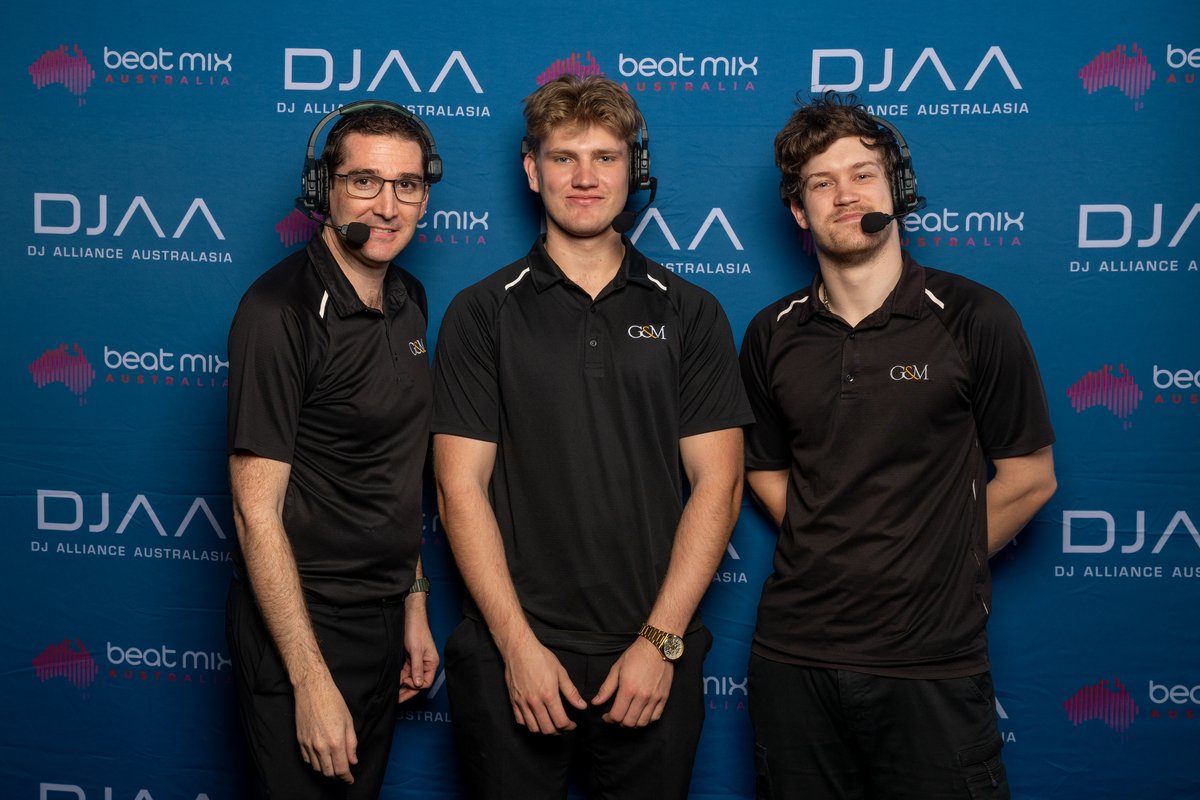
What a good answer looks like: Names and roles of the lead crew, ideally with a short summary of each person's experience and the kinds of events they've worked. A meeting with the lead before the event is also a good signal.
What to listen for: A blanket "our team" answer, or a refusal to confirm specific crew until close to the event. Reputable suppliers can usually tell you weeks in advance.
5. Can I see examples of events similar to mine?
Portfolio matters because it's direct evidence of capability. A supplier who has done dozens of events at your scale, in your category, can describe what worked and what didn't. One who hasn't can describe what they hope will work.
What a good answer looks like: Specific examples of events similar in type and scale to yours, ideally with photos or video, and an explanation of the production scope used. References from past clients in the same category are even better.
What to listen for: Generic showreels that don't show events like yours, or "we've done thousands of events" without anything specific. Volume isn't the same as relevant experience.
6. What is your contingency plan if equipment fails?
Equipment fails. Microphones drop out, projectors flicker, audio feeds disconnect. The question isn't whether it happens. It's how quickly the supplier recovers when it does. Redundancy and on-day problem-solving separate strong operators from weak ones.

What a good answer looks like: A specific answer: backup microphones, redundant audio playback, spare cables and adapters, a swap procedure for critical gear. Reference to past situations where contingencies were actually used is even better.
What to listen for: "It won't happen" or "we use reliable equipment" without addressing the contingency itself. Confidence is fine. Pretending failure isn't possible isn't.
7. What is included in the quote, and what is not?
Quotes often look very different between suppliers for the same event, and the difference usually isn't the supplier being more or less greedy. It's scope. A supplier who can articulate exactly what's in and out of their quote is much easier to compare against alternatives.
What a good answer looks like: Clear line items in plain English, an explicit mention of what's not included (e.g. parking, venue charges, AV from third parties), and a transparent change-fee or contingency policy. If you've received quotes that look very different, our guide to what's in a corporate AV quote walks through how to compare them.
What to listen for: Vague line items, a single all-in figure with no detail, or a refusal to itemise. None of these necessarily mean the supplier is hiding something. They do mean the conversation needs to go further before you can compare quotes fairly.
How many AV companies should I get quotes from?
For most corporate events, two or three quotes is the right number. Fewer than two and you have nothing to compare. More than three and the time cost of running the comparison usually outweighs the benefit.
Send all suppliers the same brief, ask all of them the same questions, and compare scope before comparing dollars.
The seven questions at a glance
- Are you independent, or are you tied to a venue?
- Do you supply the equipment and operate it, or is this a dry hire?
- Have you worked at our venue before?
- Who will actually be on-site on the day?
- Can I see examples of events similar to mine?
- What is your contingency plan if equipment fails?
- What is included in the quote, and what is not?
A note on long-standing supplier relationships
If you've worked with the same AV company for years and your events run smoothly, that's genuinely worth something. Familiarity, trust and shared institutional knowledge are real value.
The seven questions above can also work as a quiet health-check on existing relationships. If your current supplier answers them all clearly, you've confirmed you're in good hands. If a few answers are vaguer than you'd expect, it's useful information for the next conversation. The intent isn't to push you to switch. It's to make sure the relationship is still serving you.
Frequently asked questions
How many AV companies should I get quotes from?
Two or three is usually the right number for a corporate event. Send all suppliers the same brief and ask all of them the same questions, then compare scope before comparing dollars.
How do I know if an AV company is reliable?
Reliability shows up in specifics, not claims. A reliable supplier will name their crew, describe redundancy plans for critical gear, explain venue load-in details, and write quotes in plain English. Vague answers across multiple questions are usually a more useful signal than a single concerning answer.
Should I go with the AV company my venue recommends?
Sometimes. For small standard events, the venue's recommended supplier is often the simplest option. For larger or more custom events, the venue's in-house or preferred partner usually has the venue's commercial interests built into the arrangement. Worth getting at least one independent quote so you can compare.
How important is it that the AV company has worked at my venue?
It matters more than people expect. Each Brisbane venue has its own load-in workflow, rigging points and in-house AV scope. A supplier familiar with your venue can move faster on the day and pre-empt issues. If a supplier hasn't worked there, a site visit before quoting is a useful workaround.
Is it rude to ask all these questions during a quote process?
No. Reputable suppliers expect them and tend to welcome them, because clear questions early lead to better-scoped quotes and fewer changes later. If a supplier responds defensively to clarifying questions, that's itself useful information for your shortlist.
Ready to start your shortlist?
Choosing an AV supplier isn't about finding the most polished website. It's about finding the team that gives clear, specific, confident answers to the questions that actually shape your event. Two or three suppliers, the same brief, the same questions, and the picture usually becomes obvious fairly quickly.
If you're putting together a shortlist for a corporate event in Brisbane or anywhere across SEQ, we'd be happy to be on it.